









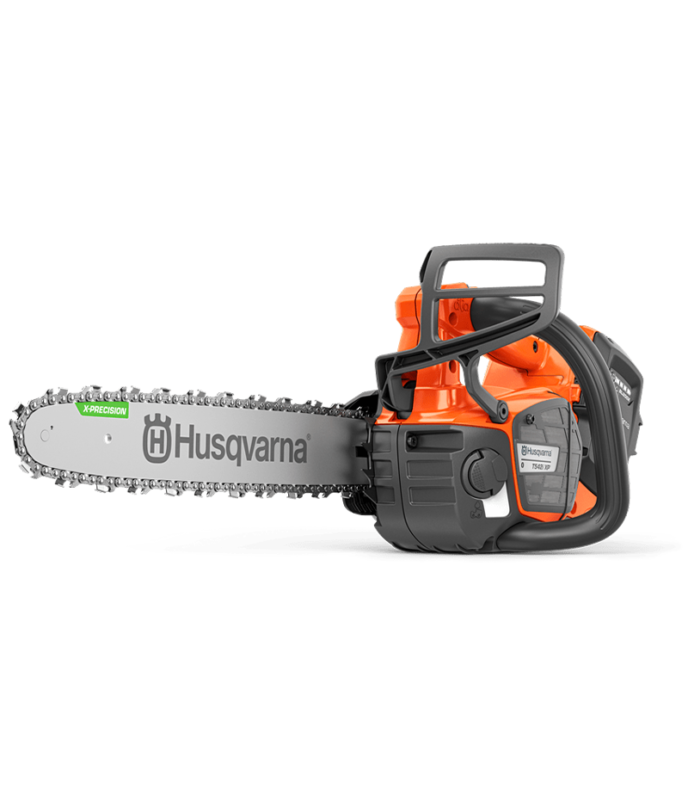







Tips for selecting the right Chainsaw

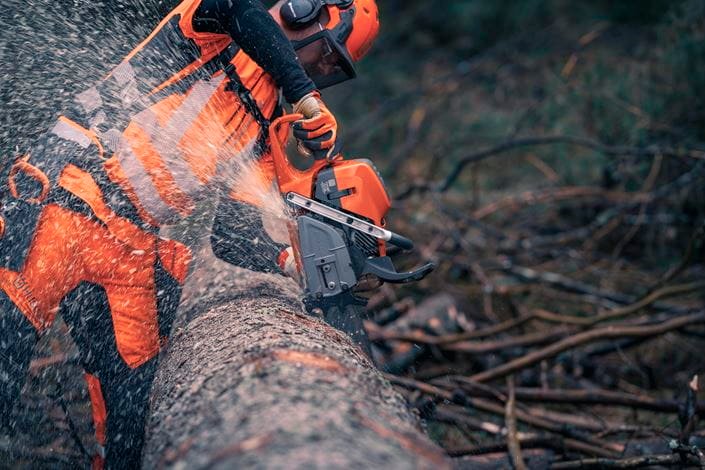
Selecting the right chainsaw is essential for efficiency and safety in arboriculture and forestry tasks. Here’s a concise guide to help you make an informed choice:
- Assess the Task at Hand
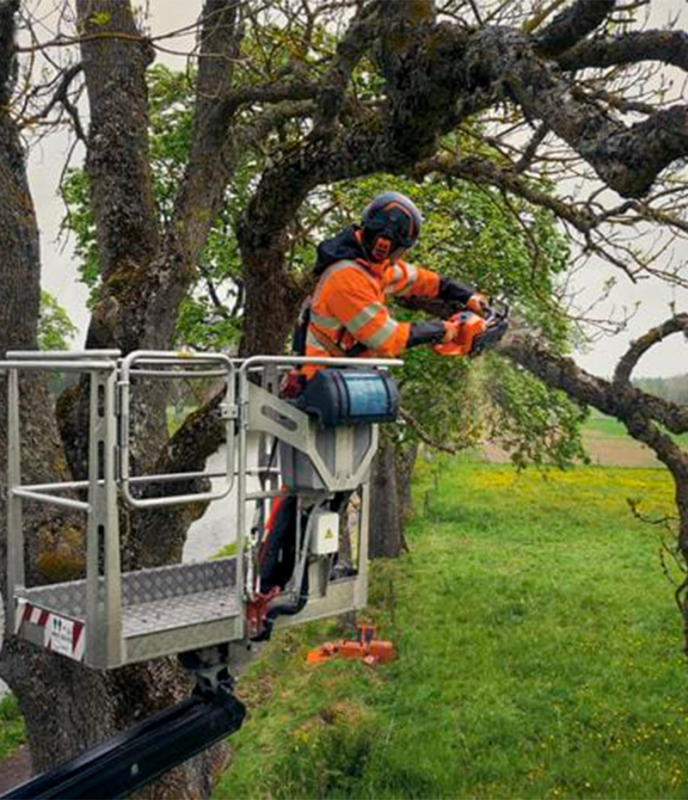
- Light Tasks: Pruning or trimming small branches.
- Medium Tasks: Cutting firewood or felling medium-sized trees.
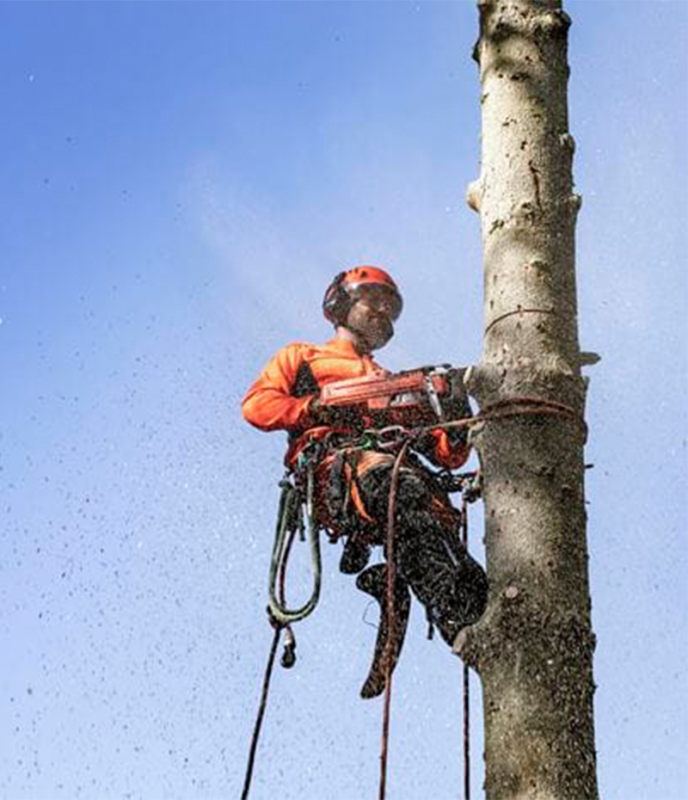
- Heavy-Duty Tasks: Felling large trees or extensive land clearing.
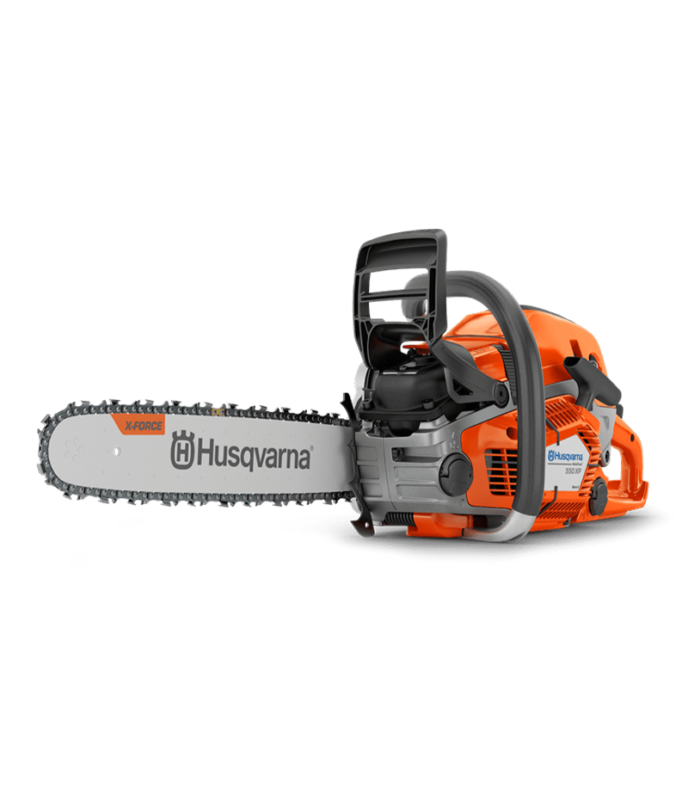
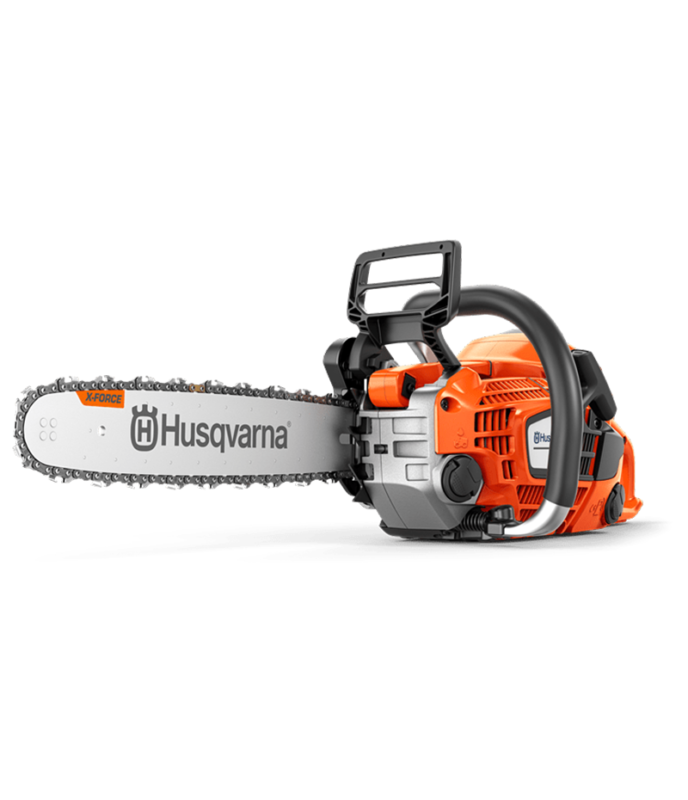
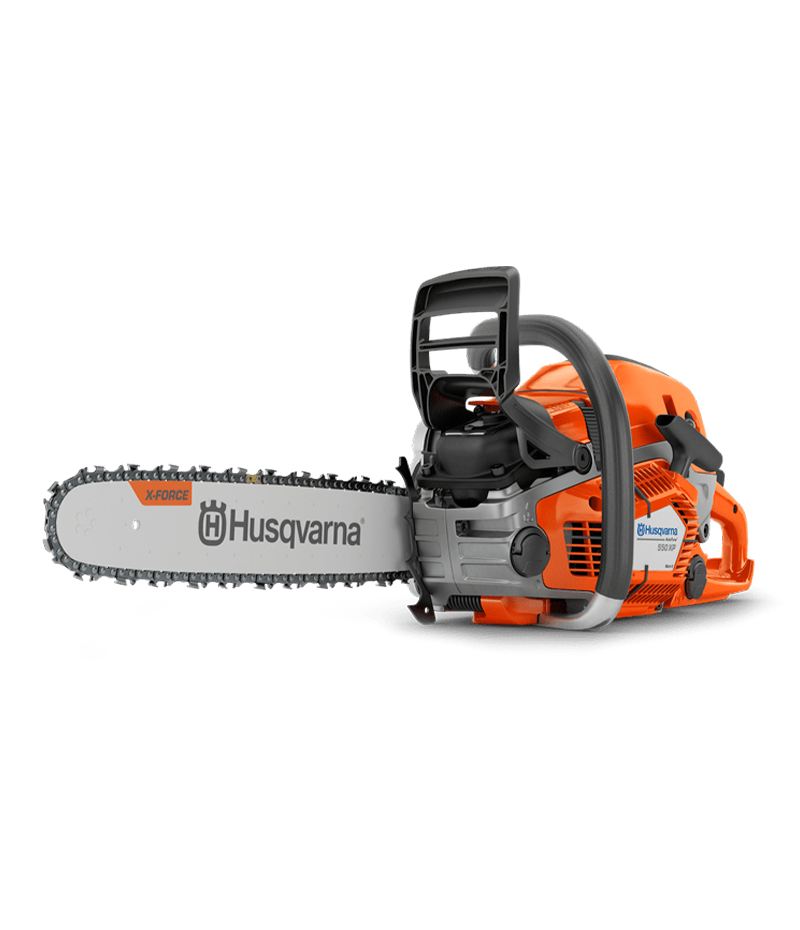
Match the chainsaw’s bar length to the size of the wood you’ll be cutting. For instance, a 14-16 inch bar is suitable for light tasks, while a 20-inch or longer bar is ideal for heavy-duty work.
- Consider Your Experience Level
- Beginners: Suggest to use for smaller, lightweight chainsaws that are easier to handle.
- Experienced Users: More powerful saws can be appropriate, depending on the tasks.
Ensure the chainsaw feels comfortable and balanced in your hands to reduce fatigue and enhance control.
- Choose the Appropriate Power Source
- Gas-Powered Chainsaws: Ideal for heavy-duty tasks, offering high power and mobility but requiring regular maintenance.
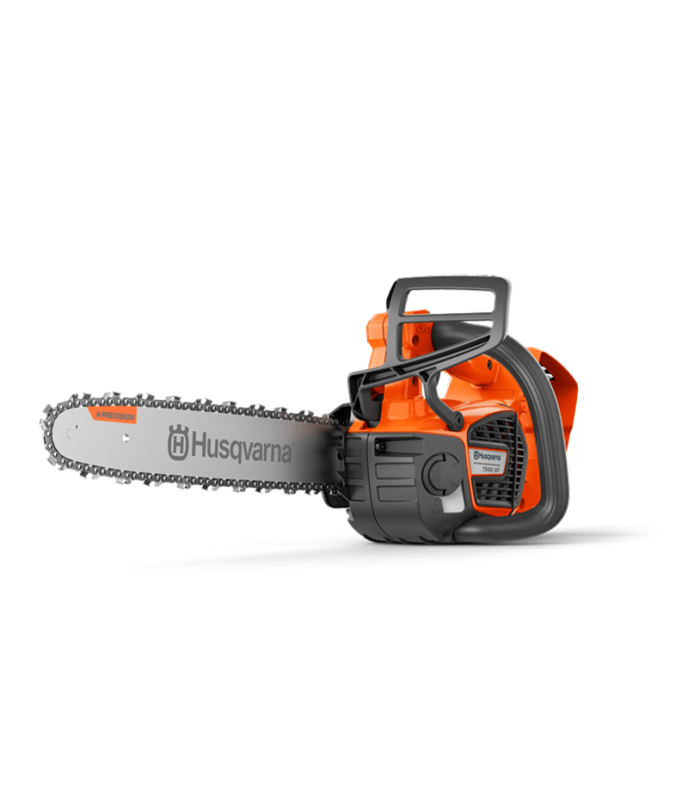
- Electric Chainsaws: Suitable for lighter tasks, quieter, and require less maintenance. Available in corded and cordless models, but cordless of more preferable.
- Prioritize Safety Features
- Chain Brake: Stops the chain instantly in case of kickback.
- Throttle Lock: Prevents accidental acceleration.
- Chain Catcher: Protects the user if the chain derails or breaks.
Modern chainsaws come equipped with various safety features to enhance user protection.
- Evaluate Ergonomics
- Weight and Balance: A well-balanced saw reduces fatigue during extended use.
- Handle Design: Look for anti-vibration features and comfortable grips to enhance control and reduce strain.
A chainsaw that fits well in your hands will be safer and more efficient to use.
By carefully evaluating these factors, you can select a chainsaw that aligns with your specific needs and experience level, ensuring both efficiency and safety in your tasks.

